
Most real estate agents treat marketing as output. Post the listing. Run the ad. Send the email. Move on.
The agents building $1M+ practices treat marketing as input — data that tells them exactly what's working, what to do more of, and where the next commission is coming from.
The difference isn't talent. It's feedback loops.
The Problem with Marketing That Doesn't Listen Back
When you post a listing on Instagram and get 47 likes, what does that tell you? Almost nothing useful. Likes don't close transactions. Profile visits that turn into DMs that turn into showing requests that turn into offers — that's the chain of events that matters.
Most real estate marketing workflows break somewhere in that chain because agents have no visibility into what happens after they post. Content goes out. Leads come in (sometimes). There's no clear line connecting the two.
Without that line, every marketing decision is a guess. What should I post this week? What worked last month? Should I run ads for this price point? Which platform should I focus on?
Agents making decisions without data are burning time and money on marketing that may or may not be working — with no way to know the difference.
The Concept of Compounding Real Estate Pipeline
Here's a concept that changes how agents think about their marketing investment: compounding pipeline.
Every piece of content you publish creates a small probability of generating a lead. A single Instagram post might be seen by 500 people and directly produce zero leads. But 500 posts, published consistently over 18 months to a growing audience, create a compounding probability of lead generation that individual posts don't.
The agents who seem to get leads effortlessly aren't doing anything magical. They've been building compounding pipeline through consistent content over time — and the results look sudden from the outside because the compounding curve is slow at first and fast later.
This is exactly why consistency matters more than any individual piece of brilliant content. A mediocre post published this week is worth more to your pipeline than a perfect post you haven't gotten around to writing yet.
How CosmosFX Turns Every Touchpoint into Data
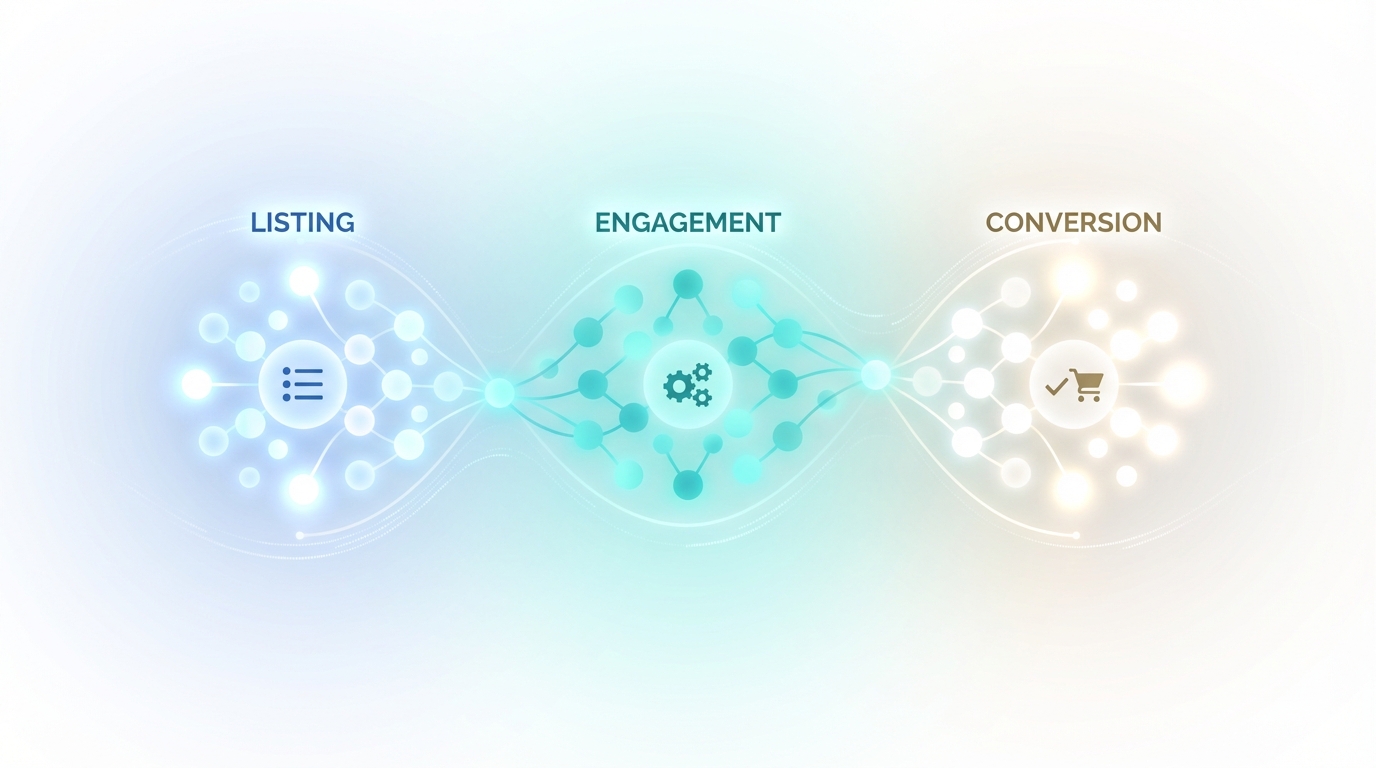
CosmosFX.ai doesn't just publish your listing content. It tracks what happens after every post, ad, and campaign, creating a closed-loop reporting system that connects your marketing activity to your actual pipeline.
Here's what that looks like in practice:
You list a property in a suburban neighborhood targeting move-up buyers. CosmosFX deploys a three-platform content campaign — Instagram Reels, a Facebook listing post, and a LinkedIn market commentary piece.
Over the next week, CosmosFX's attribution dashboard shows you: the Instagram Reel generated 1,200 views and 23 profile visits. The Facebook post generated 4 direct inquiries via Messenger. The LinkedIn post generated 2 referral messages from professional connections.
Now you have real data. Instagram builds awareness for this audience; Facebook converts to direct inquiry; LinkedIn generates referral conversations. In your next campaign, you reallocate your effort and budget accordingly.
Over time, this feedback loop sharpens your marketing strategy into something that generates predictable pipeline — not random leads.
The Four Metrics That Actually Predict Real Estate Revenue
Not all marketing metrics are created equal. These four are the ones that actually correlate with revenue for real estate professionals:
Cost per showing request. Divide your total marketing spend (time + money) by the number of showing requests generated. This is your true marketing efficiency metric. Agents using CosmosFX typically see this number drop by 40% in the first 90 days.
Content-to-inquiry conversion rate. Of all the people who engage with your content (likes, views, comments), what percentage become actual inquiries? This tells you whether your content is attracting the right audience or just a passive one.
Referral velocity. How many referrals are you generating per month from your social media presence? LinkedIn posts and local market content are particularly powerful for this metric.
Attribution accuracy. Can you trace a closed transaction back to its original marketing touchpoint? If you closed a deal last month and you have no idea how that buyer first found you, you're flying blind on your most important question: what marketing generated my last commission?
CosmosFX's reporting dashboard tracks all four. Most agents discover within 60 days that one or two content types are responsible for the majority of their pipeline — and that they've been under-investing in exactly those areas.
Building the Feedback Loop into Your Weekly Workflow
Great pipeline compounding requires a simple weekly ritual: look at your numbers.
This doesn't need to be a 2-hour analytics deep dive. CosmosFX's weekly report summarizes the data in under a page: top-performing content by engagement, platform-level inquiry attribution, ad performance if applicable, and recommended optimizations.
The review takes 10 minutes. The decisions it informs save hours of misdirected effort.
Over time, your content strategy evolves from "post what feels right" to "post what the data shows works in my specific market with my specific audience." This is the difference between agents who hope marketing generates leads and agents who expect it to.
The Compounding Effect in Year Two
Agents who start using CosmosFX and commit to the feedback loop typically see the following pattern:
Month 1–3: Content cadence establishes. Baseline metrics are set. Some content performs, some doesn't.
Month 4–6: Attribution data reveals the highest-converting content types. Strategy begins to optimize. Inquiry volume starts to climb.
Month 7–12: Consistent pipeline. Referral conversations increasing. Listing presentation win rate improving because sellers can see the marketing system in action.
Year Two: Compounding. The agent has 12 months of content building audience. New posts reach a larger, warmer audience. Referral network has been nurtured consistently. Every new listing launches into an established promotional ecosystem.
This is what compounding pipeline looks like. It's not exciting in month one. It's transformational in year two.
Start tracking your marketing touchpoints with CosmosFX.ai. Every piece of content you publish is a revenue signal — you just need a system that reads it.